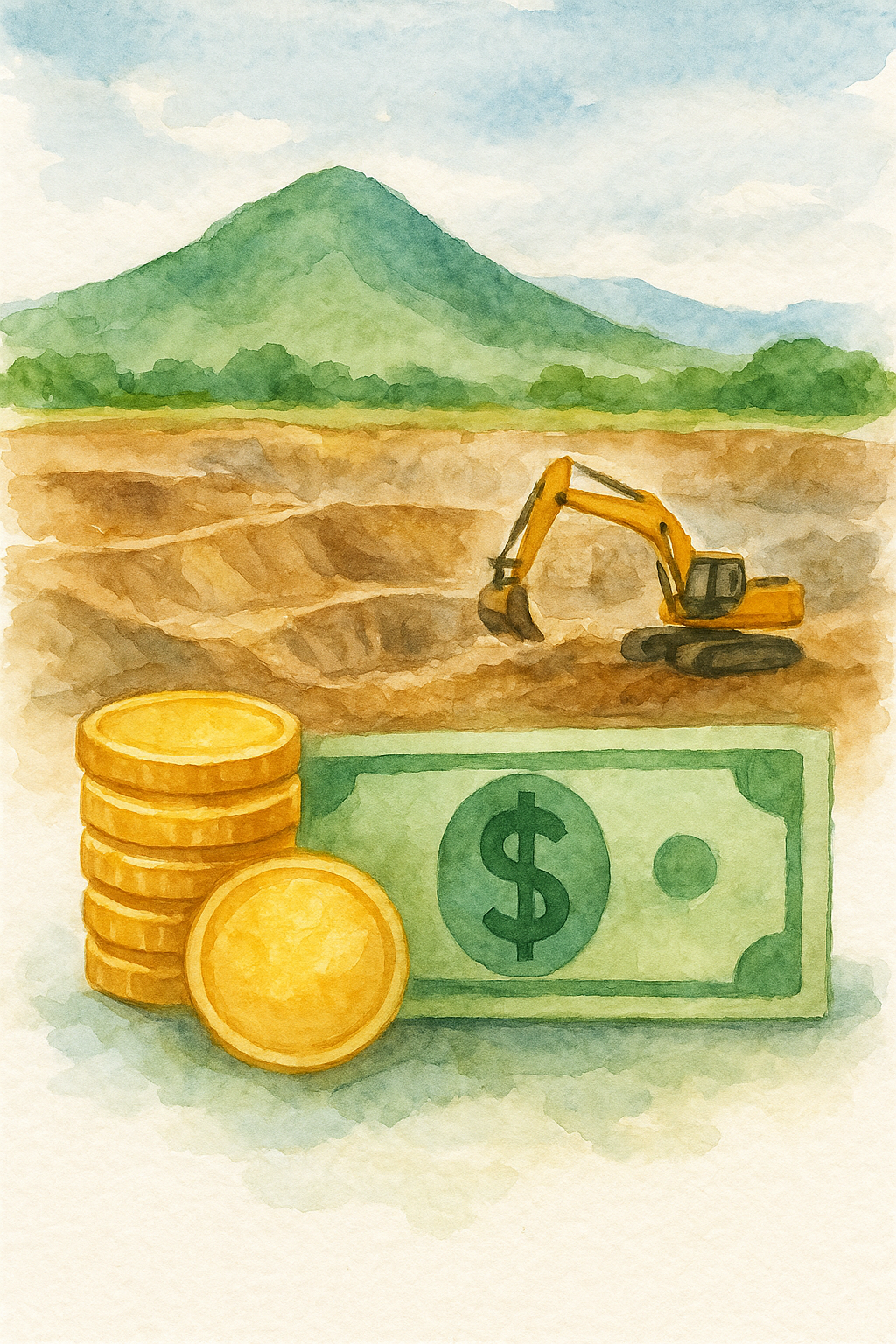
Depletion is an accounting concept that allocates the cost of natural resources over the period they are consumed. Unlike depreciation, which typically applies to tangible fixed assets like machinery or buildings, depletion specifically addresses the reduction of a natural resource’s reserves—oil, gas, timber, minerals, and similar assets—reflecting the economic extraction and use of those resources over time.
In practice, depletion affects both financial reporting and tax compliance. Companies extract measurable volumes of a resource and must match the expense of acquiring or developing the resource with the revenue generated as it is produced. The term Depletion captures both the physical decline of the resource base and the accounting methods used to recognize that decline.
##Similar Accounting Terms
Depletion often appears alongside related terms that describe the allocation of costs across periods. Understanding these relationships clarifies how Depletion is distinct and where it overlaps with other methods.
Depreciation is the allocation of cost for tangible fixed assets. While depreciation recognizes usage, wear, or obsolescence of items like equipment, Depletion attributes the exhaustion of a finite natural resource. Both are periodic expense recognition methods intended to match costs with revenues, but they apply to different asset types and may use different calculation bases.
###Depreciation Vs Depletion
Depreciation typically uses methods such as straight-line, declining balance, or units-of-production to allocate cost. Depletion commonly uses a units-of-production approach for cost depletion, where expense is proportional to the quantity extracted during the period relative to total recoverable reserves. For example, a mine’s capitalized acquisition cost is spread based on tons extracted; a factory’s machinery might be depreciated evenly over years regardless of usage variability.
####Units-Of-Production Method Explained
The units-of-production method calculates periodic expense as (Number of Units Extracted During Period / Total Estimated Recoverable Units) × Cost Basis. This approach aligns expense recognition with actual extraction and is frequently used for Depletion under GAAP for tangible natural resource assets.
###Amortization And Intangibles
Amortization is similar to depreciation but applies to intangible assets like patents, leases, or exploration rights. In natural resource operations, certain intangible costs—such as geological surveys or lease acquisition costs—may be amortized rather than depleted. Distinguishing which costs are subject to Depletion versus Amortization is important for accurate reporting and tax compliance.
###Cost Depletion Versus Percentage Depletion
Cost depletion spreads the capitalized cost of the resource over the estimated total units available. Percentage depletion, a tax-specific concept in some jurisdictions, allows a fixed percentage of gross income from a resource to be taken as a deduction irrespective of the capitalized cost. Percentage depletion can produce deductions that exceed the original investment and is subject to statutory limits and eligibility rules.
##Common Misconceptions
Misunderstandings about Depletion can lead to reporting errors or misinformed decisions. Clarifying common misconceptions helps accountants, managers, and investors interpret resource-based financials correctly.
One common misconception is that Depletion only reduces physical inventory. While Depletion does reflect physical extraction, its primary function in accounting is to allocate acquisition and development costs to the periods that benefit from resource extraction—affecting profit and asset valuation on the balance sheet, not just inventory counts.
###Depletion Is Not Always A Cash Expense
Depletion is a non-cash accounting entry similar to depreciation and amortization. It reduces reported earnings but does not directly affect cash flow at the moment expense is recognized. The cash outflow generally occurred earlier when the resource was purchased or developed. Misinterpreting Depletion as a current cash drain can lead to incorrect assessments of liquidity.
###Tax Depletion Rules Differ From GAAP Treatment
Many assume that the same Depletion calculation applies for financial reporting and tax purposes. In reality, tax authorities often prescribe different rules. For instance, the U.S. Internal Revenue Service permits percentage depletion for certain minerals and oil and gas properties under specific conditions, which may differ from the cost depletion approach used in GAAP. Using the wrong method for tax filings can trigger adjustments, penalties, or lost deductions.
###Depletion Always Reduces Asset Carrying Value Proportionately
Another misconception is that Depletion must always reduce the carrying value of the resource in a linear fashion. In practice, depletion amounts can vary significantly from period to period due to changes in production rates, reserve estimates, or discovery of additional resources. If reserve estimates are revised upward, future Depletion expense per unit may fall; conversely, reserve downgrades increase per-unit expense.
##Use Cases
Depletion plays a central role in the accounting and tax treatment of businesses that extract finite natural resources. Its application spans several industries and decision contexts.
Companies in the oil and gas sector routinely apply Depletion to upstream assets. As barrels are produced, cost depletion shifts a portion of the acquisition and development cost to expense, aligning costs with revenue. In addition to cost depletion, oil and gas firms must account for intangible drilling costs and leasehold interests, selecting the appropriate amortization or depletion method under both GAAP and tax rules.
###Mining And Quarry Operations
Mining companies use Depletion to expense the cost of extracting ores, coal, and other minerals. Because production volumes and market demands can fluctuate, mines often adopt a units-of-production approach tied to estimated recoverable reserves. This ensures that high-production periods reflect higher Depletion expense and that remaining book value corresponds to remaining reserves.
####Example Calculation For Cost Depletion
Consider a small mine purchased for $5 million with estimated recoverable ore of 1,000,000 tons. If the company extracts 50,000 tons in year one, cost depletion expense = (50,000 / 1,000,000) × $5,000,000 = $250,000. The asset’s carrying value would be reduced by that depletion amount, and subsequent depletion calculations use remaining reserve estimates unless revised.
###Timber And Forestry
Forestry operations apply Depletion (or similar terminology like timber depletion) to account for the gradual harvest of standing timber. Often, timber companies capitalize the cost of acquiring forestland and then deplete the capitalized cost as timber is sold or harvested, sometimes incorporating inventory methods for standing timber and biological asset accounting.
###Construction Materials And Aggregate Producers
Gravel pits, sand operations, and similar aggregate producers use Depletion to allocate land acquisition and development costs over the volume of material removed. Because these resources can have long productive lives but finite quantities, Depletion links accounting expense to the rate of extraction and sale.
###Tax Reporting For Small Producers
For smaller producers, particularly where tax legislation provides favorable percentage depletion allowances, the tax calculation can materially differ from financial accounting. Small-scale oil producers or independent miners may elect percentage depletion where available, sometimes generating tax deductions that exceed capitalized costs. Eligibility rules, production limits, and statutory ceilings govern the availability of percentage depletion.
###Investment Analysis And Valuation
Analysts evaluating resource companies incorporate Depletion into profitability and asset valuation models. Depletion affects gross margin and operating income and influences measures like return on assets (ROA) and free cash flow (when coupled with capital expenditures). Accurate reserve estimates and production forecasts are critical because Depletion depends on the denominator of total recoverable units; overoptimistic reserves can understate Depletion and overstate current earnings.
###Sustainability And Reporting Of Resource Depletion
Beyond financial statements, Depletion can inform sustainability reporting and resource management. Companies may quantify remaining reserves and depletion rates to communicate the longevity of resource-based operations and to plan for diversification or reclamation activities. Environmental remediation and closure costs, while not Depletion per se, often interact with resource accounting because they represent future obligations tied to extraction activities.
###Practical Considerations For Accountants
Implementing Depletion requires careful recordkeeping of acquisition costs, development expenditures, and production volumes. Reserve estimates must be documented and updated when new geological data or market conditions emerge. Auditors and tax authorities commonly scrutinize the assumptions behind reserve estimates and the chosen Depletion method.
Regulatory frameworks and accounting standards may also dictate disclosure requirements. Financial statements should explain the methods used to calculate Depletion, significant assumptions about recoverable reserves, and any material changes to those assumptions during the reporting period.
Depletion is a specialized accounting concept that captures the economic use of finite natural resources and ensures cost allocation aligns with extraction and revenue generation practices. Accurately applying Depletion requires attention to reserve estimates, method selection, and the differences between financial and tax reporting regimes.